هل تشعر بألم حاد في كعب قدمك مع أول خطوة في الصباح؟ أو بعد الجلوس فترة طويلة؟ غالباً أنت تعاني من التهاب اللفافة الأخمصية (Plantar Fasciitis) — أحد أكثر أسباب آلام الكعب شيوعاً، ويصيب من 8 إلى 80 سنة. الخبر الجيد: العلاج الطبيعي يعالجه بفعالية عالية.
ما هو التهاب اللفافة الأخمصية؟
اللفافة الأخمصية (Plantar Fascia) هي شريط سميك من الأنسجة الضامة يمتد من الكعب إلى مقدمة القدم، ويعمل كنابض يمتص صدمات المشي والجري. عند التحميل الزائد عليها، تتعرض لتمزقات دقيقة والتهاب، مما يسبب ألماً حاداً في الكعب — خاصة في الصباح الباكر أو بعد فترات الراحة.
🔴 هل تعاني من ألم الكعب الآن؟
العلامات الكلاسيكية لالتهاب اللفافة الأخمصية:
- ألم حاد في أول خطوة صباحية — العلامة الأكثر تميزاً
- يتحسن الألم بعد بضع خطوات ثم يعود بعد فترة وقوف طويل
- ألم في قاعدة الكعب من الداخل
- ألم بعد الجلوس الطويل أو قيادة السيارة
- صعوبة في التحميل على القدم أو المشي حافياً على أرض صلبة
- الشعور بتيبس في القوس الداخلي للقدم
الأسباب الرئيسية
- التحميل الزائد على القدم: الوقوف ساعات طويلة على أسطح صلبة (عمال، ممرضون، معلمون، طهاة)
- الرياضات عالية الشدة: الجري، القفز، الأيروبيك — خاصة عند الزيادة المفاجئة في المسافة أو الشدة
- السمنة: كل كيلو زائد يضاعف الضغط على اللفافة
- الأحذية غير الداعمة: الأحذية المسطحة، الصنادل، أو الأحذية القديمة البالية
- الشوكة العظمية (Heel Spur): زائدة عظمية في الكعب قد ترافق الالتهاب
- تشوهات القدم: القدم المسطحة أو القدم ذات القوس العالي
- تيبس وتر أخيل: يزيد الشد على اللفافة
دور العلاج الطبيعي في مركز سبعة
العلاج الطبيعي هو العلاج الأول والأكثر فعالية لالتهاب اللفافة الأخمصية — ويعالج أكثر من 90% من الحالات بدون جراحة. يبدأ أخصائي العلاج الطبيعي في مركز سبعة بتقييم شامل يشمل:
- تحليل طريقة المشي (Gait Analysis)
- تقييم قوس القدم وتشوهات القوام
- قياس مرونة وتر أخيل وعضلات الساق
- تقييم الاتزان والإحساس
- مراجعة نوع الأحذية والعادات اليومية
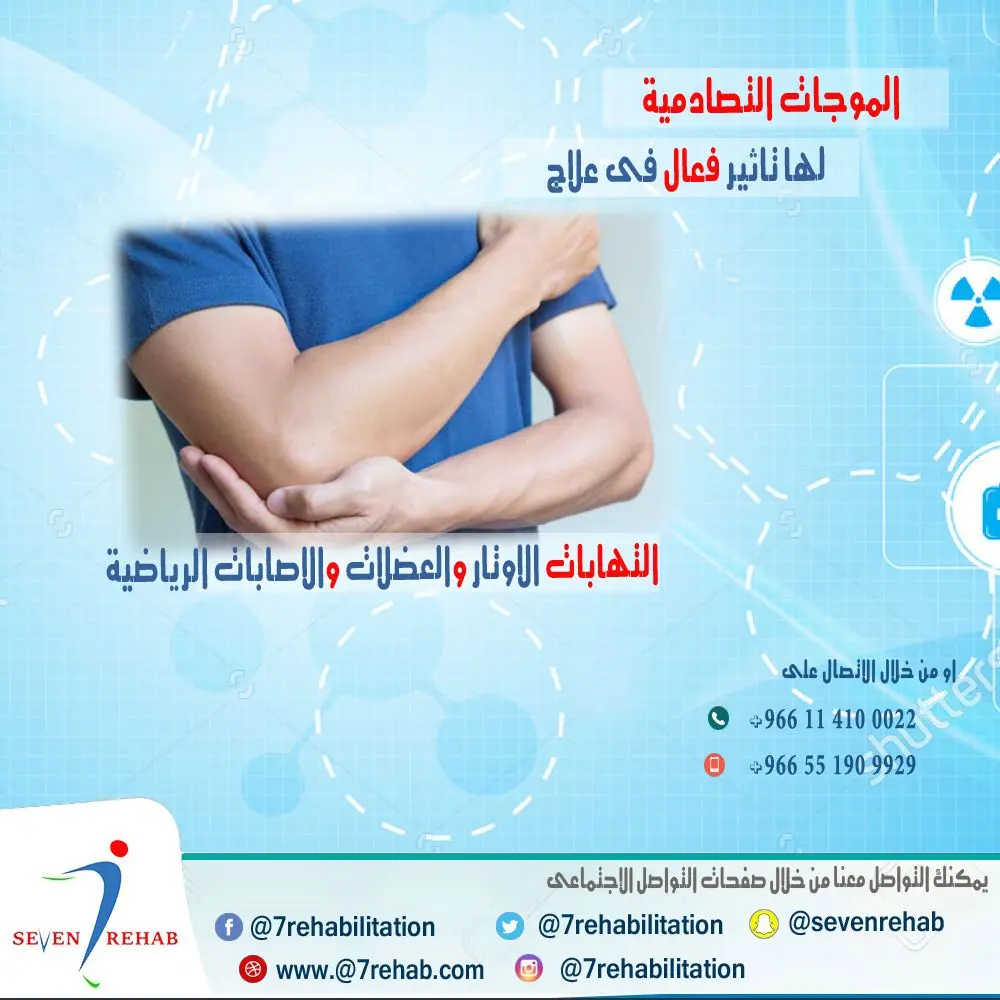
الموجات التصادمية (Shockwave)
العلاج الأكثر فعالية لالتهاب اللفافة المزمن — تحفز الشفاء وتفكك الالتصاقات العميقة.
الموجات فوق الصوتية والليزر
لتقليل الالتهاب وتسريع شفاء الأنسجة الممزقة.
العلاج اليدوي والإطالات
تقنيات متخصصة لإطالة اللفافة ووتر أخيل وتحرير التصاقات الأنسجة.
برنامج تقوية متدرج
تمارين مخصصة لتقوية عضلات القدم والساق وتصحيح طريقة المشي.
هل تعاني من هذه الأعراض؟
أخصائيونا جاهزون لمساعدتك
🟢 الوقاية — للرياضيين والعاملين الواقفين لفترات طويلة
إذا كنت تركض بانتظام، أو عملك يتطلب الوقوف ساعات طويلة (عمال بناء، ممرضون، معلمون، طهاة، موظفو مبيعات)، فأنت في فئة عالية الخطورة. هذه نصائح وقائية أساسية:
1. اختر الحذاء المناسب
- حذاء بـدعم جيد للقوس (arch support) ومقدمة مرنة
- تجنب الأحذية المسطحة تماماً والصنادل لفترات طويلة
- للرياضيين: استبدل أحذية الجري كل 600-800 كم
- فكّر في النعل الطبي (orthotic insoles) إذا كان لديك قدم مسطحة
2. تمارين إطالة يومية (قبل النهوض من السرير!)
- إطالة اللفافة بالمنشفة: قبل النهوض، لف منشفة حول مقدمة القدم واسحبها نحوك. اثبت 30 ثانية، كرر 3 مرات
- إطالة ربلة الساق: واجه الجدار، قدم للأمام وأخرى للخلف، ادفع الكعب للأرض، اثبت 30 ثانية
- درحلة القدم: درحل كرة تنس تحت قدمك لمدة دقيقتين لكل قدم (ممتاز في المكتب!)
- تمارين الأصابع: التقط كرات صغيرة أو منشفة بأصابع قدمك
3. نصائح للرياضيين
- زد مسافة الجري تدريجياً — لا أكثر من 10% أسبوعياً
- احرص على الإحماء قبل الجري والتبريد بعده
- تجنب الجري على الأسطح الصلبة قدر الإمكان
- بدّل بين الرياضات (سباحة، دراجة) لتقليل التحميل المتكرر
4. نصائح للعاملين الواقفين
- استخدم سجادة مريحة (anti-fatigue mat) في مكان الوقوف
- اجلس كل ساعة لمدة 5 دقائق
- حرّك وزنك بين القدمين بانتظام
- اكسب وزناً مناسباً — كل كيلو زائد = ضغط إضافي على قدميك
⚠️ متى تحتاج تقييماً متخصصاً لألم الكعب؟
- ألم شديد في الكعب عند أول خطوة صباحاً لأكثر من أسبوعين
- تورم أو احمرار في منطقة الكعب
- ألم يمنعك من المشي الطبيعي أو ممارسة عملك
- عدم تحسن الألم رغم الراحة واستخدام الثلج
الأسئلة الشائعة عن التهاب اللفافة الأخمصية
لماذا ألم الكعب يزداد في الصباح تحديداً؟
أثناء النوم، تنقبض اللفافة الأخمصية ويقصر وتر أخيل. مع أول خطوة صباحية، تتعرض اللفافة الملتهبة لتمدد مفاجئ، مما يسبب ألماً حاداً. هذا العلامة المميزة للمرض، وتختفي بعد عدة دقائق من المشي، لتعود بعد أي فترة راحة طويلة.
كم من الوقت يستغرق الشفاء؟
مع العلاج الطبيعي المنتظم، تتحسن معظم الحالات خلال 6 إلى 12 أسبوعاً. الحالات المزمنة (التي تجاوزت 6 أشهر) قد تحتاج إلى 3-4 أشهر من العلاج المكثف. كلما بدأت العلاج مبكراً، كان التعافي أسرع.
هل أحتاج إلى جراحة؟
في أكثر من 90% من الحالات: لا. العلاج الطبيعي والموجات التصادمية وتعديل الأحذية تعالج معظم المرضى بنجاح. الجراحة خيار أخير فقط للحالات التي لم تستجب لـ 6-12 شهر من العلاج التحفظي.
ما هي الموجات التصادمية (Shockwave)؟
هي تقنية حديثة تستخدم موجات صوتية عالية الطاقة لتحفيز شفاء الأنسجة المزمنة الملتهبة. فعالية عالية جداً في حالات اللفافة المزمنة، وغير جراحية، ولا تحتاج تخدير. مركز سبعة يقدم هذا العلاج كجزء من برنامج شامل.
هل أستطيع الجري أثناء العلاج؟
في المرحلة الأولى: لا. يجب إراحة اللفافة لعدة أسابيع مع استبدال الجري برياضات أقل تحميلاً (سباحة، دراجة ثابتة). بعد تحسن الألم، يعود المريض للجري تدريجياً تحت إشراف أخصائي العلاج الطبيعي. احجز تقييماً لبرنامج عودة آمنة للرياضة.
هل الشوكة العظمية سبب الألم؟
ليست دائماً. كثير من الناس لديهم شوكة عظمية بدون أي ألم، والألم الحقيقي يأتي من التهاب اللفافة نفسها وليس الشوكة. العلاج يركز على إصلاح الالتهاب، وليس إزالة الشوكة.
مقالات ذات صلة
🩺 خطوتك القادمة
احجز جلسة تقييم مع أخصائي العلاج الطبيعي
بمركز سبعة — الرياض
✅ تقييم دقيق لحالتك
✅ خطة علاج مخصصة
✅ حجز فوري وسهل
احجز موعدك الآن عبر سبعان