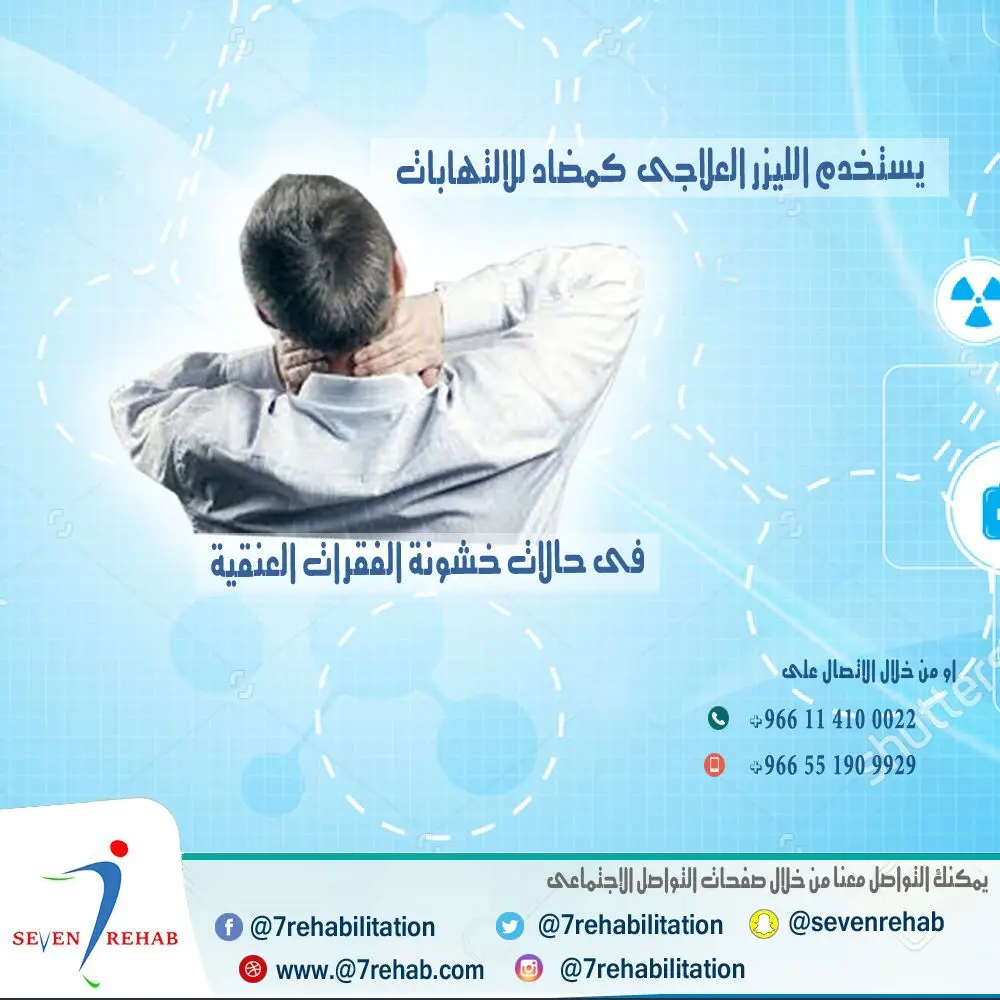
Do you wake up with neck pain? Do you feel stiffness spreading to your shoulders after long hours at the computer? If so, you may be suffering from cervical spondylosis — one of the most common conditions seen in physical therapy clinics today. The good news: in most cases, physical therapy eliminates the need for surgery.
What is Cervical Spondylosis?
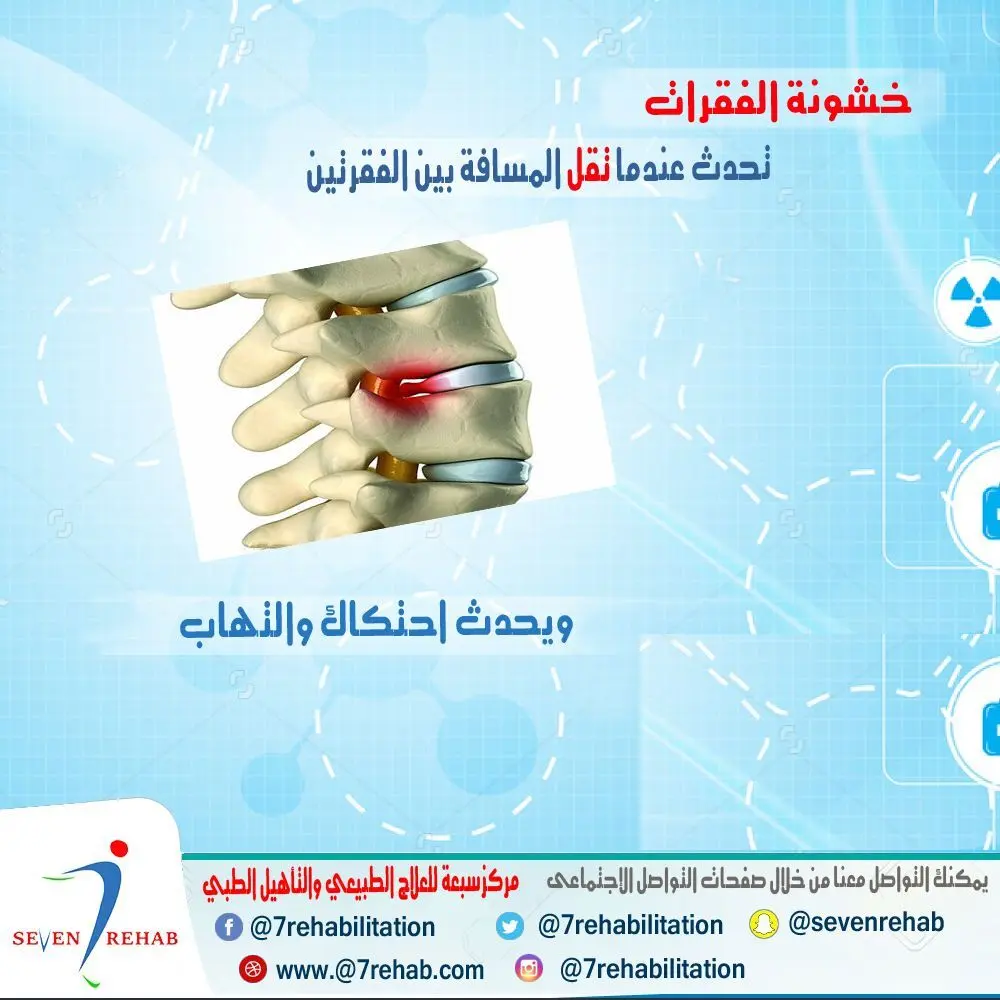
Cervical spondylosis is a degenerative condition affecting the cartilage, joints, and discs between the seven neck vertebrae. It typically develops after age 40 but increasingly appears earlier due to prolonged screen use. Studies show over 85% of people above 60 display signs of cervical spondylosis on imaging, even without symptoms.
Common Causes
- Aging: natural wear of cartilage and discs.
- "Text Neck" posture: forward head position while using phones multiplies neck load up to 5×.
- Prolonged desk work with unadjusted screens.
- Repetitive strain from heavy lifting or forceful neck movements.
- Previous injuries: whiplash or trauma.
- Smoking: reduces disc blood supply.
Symptoms: From Mild to Alarming
Mild to Moderate
- Neck pain worsening with movement.
- Morning stiffness.
- Occipital headaches.
- Neck cracking sounds.
- Pain radiating to shoulder or upper back.
Advanced — Seek Care
- Numbness or tingling in hands and fingers.
- Weakness in grip or arm muscles.
- Dizziness or imbalance.
- Burning pain radiating down the arm (radiculopathy).
⚠ Emergency signs (Cervical Myelopathy): go to the ER immediately if you develop: hand clumsiness (difficulty with buttons or fine grip), gait disturbance and loss of balance, electric shock sensation down your back when bending your neck (Lhermitte sign), or hyperactive reflexes — these indicate cervical spinal cord compression and need urgent evaluation.
Accurate Diagnosis
At Seven Rehab Medical Center, diagnosis begins with a comprehensive clinical examination: range of motion assessment, neurological tests, muscle strength evaluation, and postural analysis. Imaging (X-ray, MRI, or EMG) is ordered when needed.
Physical Therapy Protocol at Seven Rehab
We follow a personalized multi-modal protocol combining advanced equipment with skilled manual therapy:
1. Therapeutic Equipment
- Therapeutic Ultrasound: adjunct therapy to reduce muscle spasm and improve local circulation.
- Low-Level Laser Therapy (LLLT): stimulates cell regeneration.
- TENS/IFC: blocks pain signals and relaxes muscles.
- Shortwave Diathermy: deep heating for stiffness.
2. Manual Therapy
- Joint mobilization of restricted vertebrae.
- Soft tissue release for tight muscles.
- Manual or mechanical cervical traction.
3. Therapeutic Exercises
- Stretching for neck, shoulders, and chest.
- Deep neck flexor strengthening.
- Postural correction.
- Stabilization exercises.
From our clinical experience, most patients notice significant improvement within approximately 4-6 sessions, with substantial recovery for moderate cases in 8-12 sessions. These are guideline estimates; actual duration varies by case severity and individual response.
Daily Prevention Tips
- Keep screens at eyebrow level.
- 30-30 rule: every 30 minutes, 30 seconds of neck movement.
- Use an orthopedic pillow supporting your natural curve.
- Avoid sleeping on your stomach.
- Do daily stretching — see our 6 simple exercises for office neck pain.
- Apply warm compresses for 15 minutes to relieve spasms.
- Hold your phone at eye level.
- Maintain a healthy weight.
Frequently Asked Questions
Can cervical spondylosis be cured completely?
Degenerative changes cannot be reversed, but symptoms can be fully controlled through regular physical therapy and lifestyle adjustments.
How many sessions will I need?
It depends on severity and individual response. Rough guide: mild cases 4-6 sessions, moderate 8-12 sessions, severe 15+ sessions with a home program. The therapist reassesses after the first 3-4 sessions and adjusts the plan.
Do I need surgery?
Less than 5% of cases require surgery. It is only considered for severe spinal cord compression or after 6 months of failed conservative treatment.
Can I exercise with cervical spondylosis?
Yes — walking, moderate freestyle swimming, aqua therapy, and rehabilitative yoga are excellent choices. Avoid: backstroke and breaststroke (they strain the neck), overhead lifts, and contact sports.
Are medications enough?
Pain relievers and muscle relaxants only treat symptoms temporarily. Physical therapy is the first-line treatment because it addresses the root cause.
Related Articles
- Lower Back Pain: Causes and Effective Physical Therapy
- 6 Simple Exercises for Office Neck and Shoulder Pain
- Scoliosis: Causes, Types, and Physical Therapy
Book Your Consultation at Seven Rehab
Don't let neck pain disrupt your daily life. Our specialized team at Seven Rehab Medical Center in Riyadh offers personalized treatment plans using the latest protocols and equipment. Most of our patients return to normal life within weeks — without surgery, without long-term medications.